ServicesRoof Replacement
Roof Replacement in Taylor Mill, Built From the Decking Up
When a roof is past repair, we replace it down to the decking and rebuild it with care at every edge, valley and vent. Before you decide, we tell you why the old roof failed, what will move the price and which materials suit your home.
When replacement is the right call
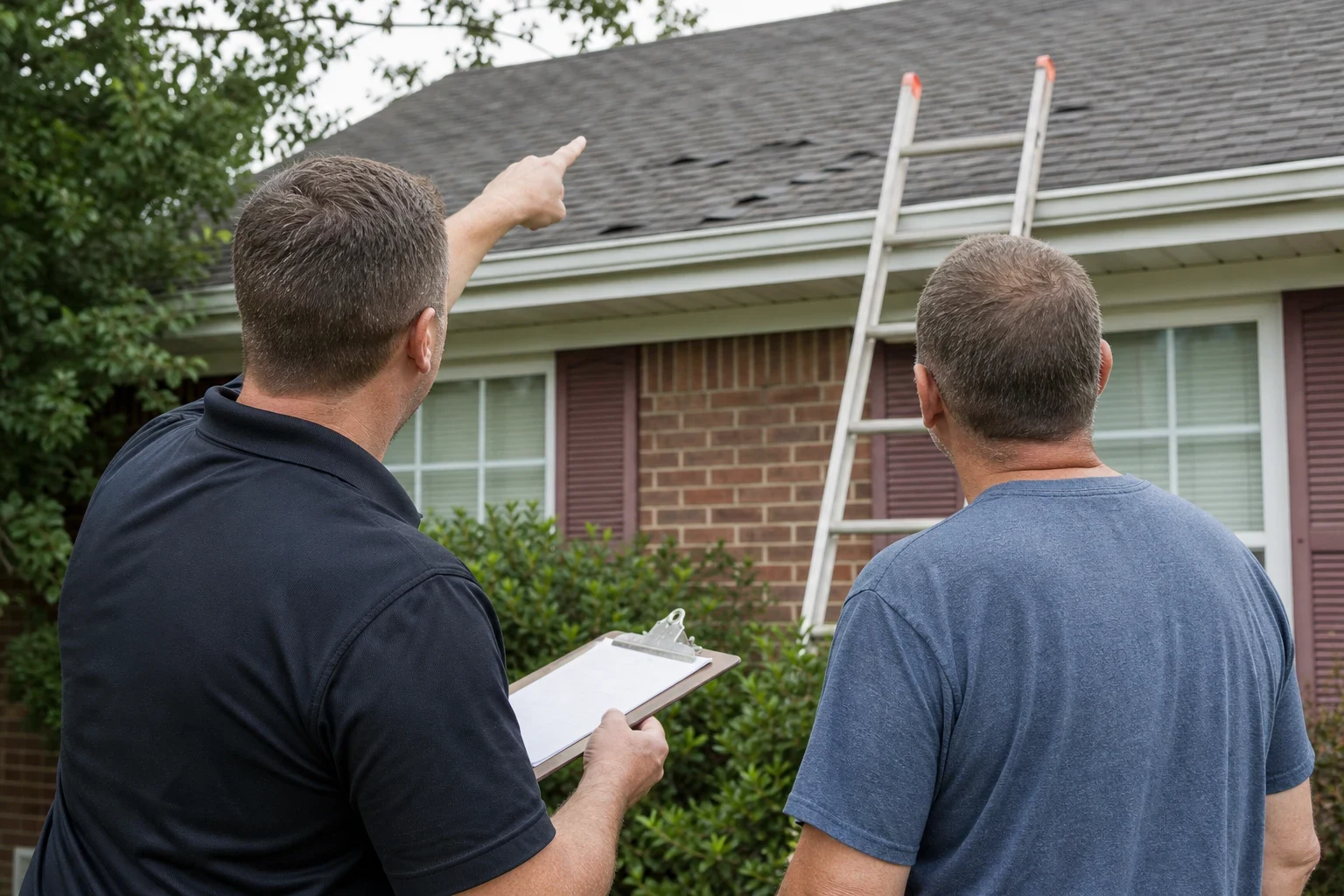
Most roofs give warning long before they fail. Shingles shed granules, lose their seal and begin to curl. Flashing loosens, and the decking softens where water has sat. A repair makes sense while those problems stay in one area. Once they show up across several slopes, a patch only moves the next leak somewhere else.
You get a direct answer on repair versus replacement. If a fix will hold for years, we say so and point you to our roof repair service. If it won't, you see photos of what we found and a clear set of options for a new roof.
Freeze and thaw cycles through a Northern Kentucky winter are hard on a tired roof. Ice at the eaves backs water under shingles that no longer lie flat, so a new roof with proper edge protection keeps that water out of your home.
What a new roof from us includes
- 01
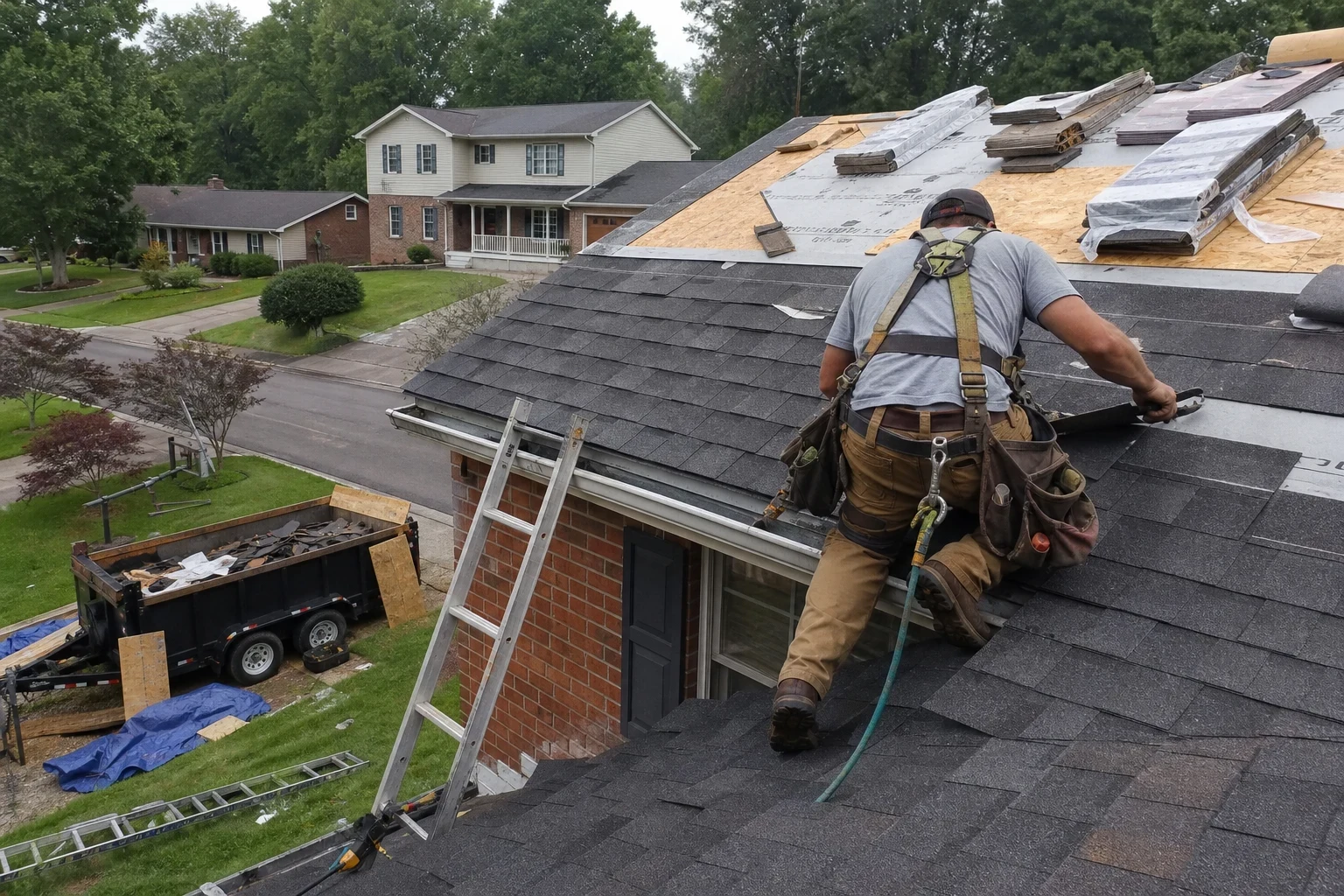
Full tear-off to the decking
We remove the old shingles and underlayment down to bare wood. Layering new shingles over old ones hides soft spots and shortens the life of the new roof.
- 02
Decking repair where it is needed
Rotted or delaminated sheathing is cut out and replaced with new board before anything goes on top. We show you photos and tell you how many sheets need replacing before we do the work.
- 03
Ice barrier and underlayment
Self-adhering membrane goes along the eaves and in the valleys, where ice and heavy runoff do the most harm. Synthetic underlayment covers the rest of the deck.
- 04
New flashing and pipe boots
Old metal rarely lines up with a new roof. We replace step and counter flashing at walls and chimneys, along with the rubber boots around vent pipes, which are among the most common leak points on any roof.
- 05
Balanced attic ventilation
We check intake at the soffits and exhaust at the ridge. A roof that cannot breathe traps heat in summer and moisture in winter, which ages shingles and decking from below.
- 06
Protection and cleanup
Tarps cover plantings and siding during tear-off. At the end of the job we run magnets across the lawn, driveway and beds for stray nails.
Questions about Roof Replacement?
Call(859) 214-7947Signs your roof needs replacing, not patching
Granules in the gutters
Sandy grit collecting in gutters or at downspouts means the shingles are losing their protective surface. Bare asphalt dries out and cracks quickly in summer sun.
Curled, cupped or cracked shingles
Edges that lift or corners that turn up no longer seal. Wind gets under them, and so does driven rain.
Ceiling marks in more than one room
An isolated leak tends to come from one pipe boot or one flashing joint, and that is a repair. When stains appear in rooms on different sides of your home, the roof is failing broadly rather than at a single point.
A soft or uneven roofline
Dips between rafters or a spongy feel underfoot mean the decking has absorbed water for some time.
Damp or daylight in the attic
Wet insulation, dark stains on the underside of the decking, or light showing through boards are clear signs water is already getting in.
An older roof with a string of patches
When each season brings another repair bill, the money is often better spent on a new roof.
From first visit to final sweep
- 1
A free look and a written scope
We climb the roof, check the attic and take photos as we go. The estimate you receive spells out the scope, the materials and how any decking repair is priced, so nothing unexplained appears later.
- 2
Materials, colors and a start date
We go over shingle lines and colors with samples in hand and set a start date around a dry forecast. Where your city requires a permit, we pull it.
- 3
Tear-off and dry-in
We strip only as much roof as we can cover with underlayment that same day. Your home is not left open overnight.
- 4
Installation and detail work
Shingles go down to the manufacturer's nailing pattern, then flashing, pipe boots, ridge vent and caps. These details decide how well the roof holds up, so we take our time with them.
- 5
Final review and cleanup
Once the last ridge cap is set, we go over the new roof together and share pictures of the decking, membrane and flashing now hidden beneath the shingles. Then the yard, beds and driveway get a last sweep before we pack up.
What sets the price of your replacement
A fair number depends on measured slopes and a look at the decking, so pricing comes after our visit rather than over the phone. The factors below do most of the work in setting that figure. Each one appears as its own line on your estimate.
- Size and pitch
- More squares of roofing means more material and labor. Steep slopes need extra safety setup and slow the crew down.
- Layers coming off
- Where an earlier roofer stacked new shingles over old, there is twice as much to remove. That means more hours of labor and more weight to haul away.
- Condition of the decking
- Sound decking adds nothing. Rotted sheets add material and time, which is why we photograph them and tell you the count first.
- Shingle choice
- Standard architectural shingles and premium designer lines differ in weight, look and cost. We show you both and let you decide.
- Chimneys, skylights and valleys
- Every penetration and valley needs hand-fitted flashing. A simple gable roof costs less to finish than one with dormers and multiple chimneys.
Roof replacement questions
How long does a roof replacement take?
Many homes are finished in one to three working days. Larger or steeper roofs, or heavy decking repair, take longer. Weather can move the start date, and we call you if it does.
Is laying shingles over the existing roof an option?
We advise against it and strip down to the wood instead. A second layer conceals soft decking, adds load to the framing and never sits quite flat over the old courses. Taking everything off also lets us install new flashing rather than reuse tired metal.
Does someone have to stay at the house while you work?
Not for the whole job. We'd like a few minutes with you on the first morning and again once we finish, so we can go over the roof together. Please move cars off the driveway and keep pets inside during tear-off. It gets loud, so any quiet work is best planned for another room or another day.
Will homeowners insurance pay for a new roof?
Policies generally cover sudden damage such as hail or wind, not wear from age. If a storm is part of the story, our storm damage repair page explains how we document it. We can walk you through the process, but your adjuster makes the coverage decision.
Should I replace my gutters at the same time?
Often it makes sense, especially if they sag, leak at the seams or pull away from the fascia. Hanging new gutters while the roof edge is open gives a cleaner fit. Our gutters service covers that work, and we can price both together.
Repair or replace, answered on your roof
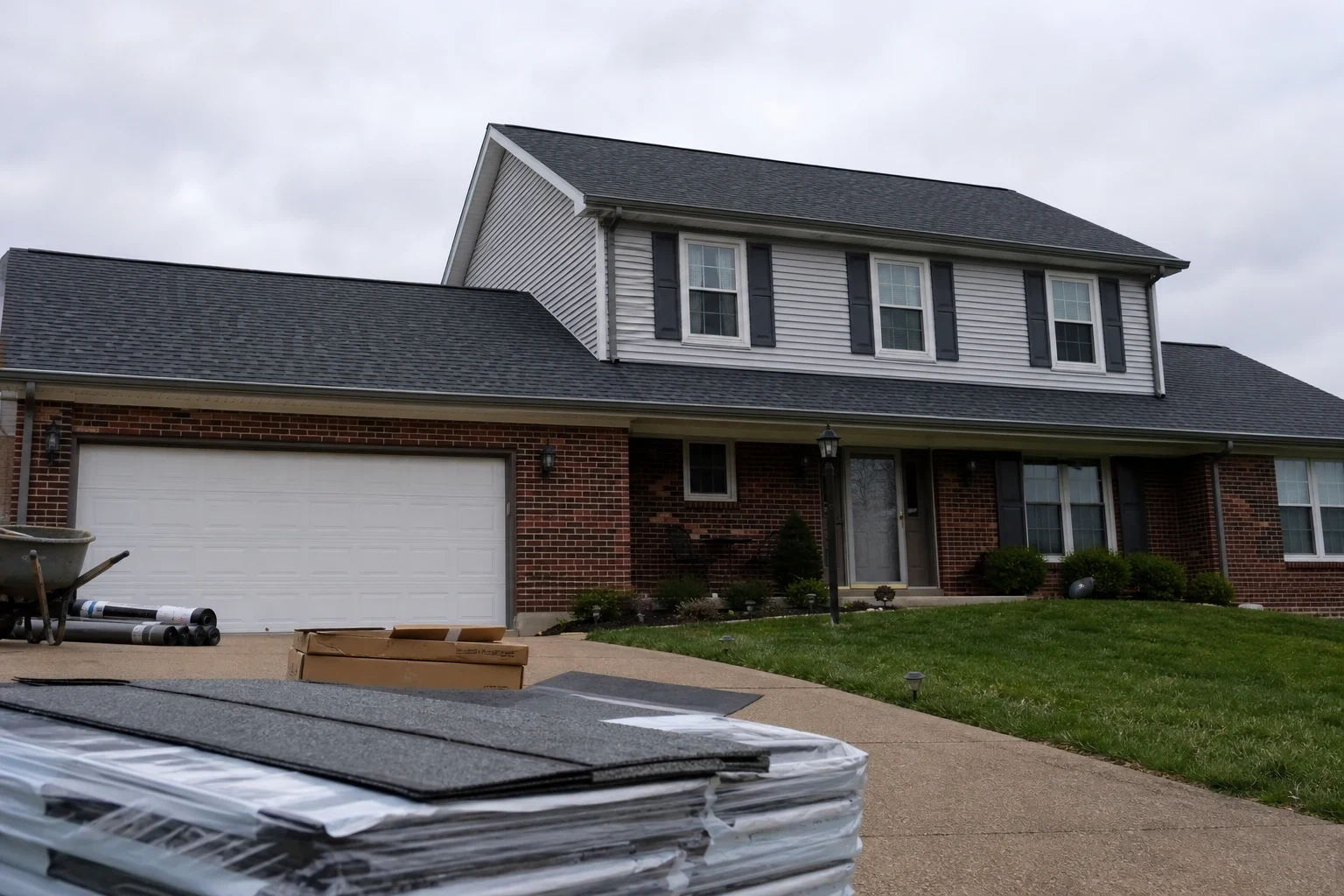
We'll climb up, give you a clear call on whether a new roof is due or a repair will carry it, and walk through what drives the cost. The decision stays with you.